Reducing environmental impacts through sustainable design
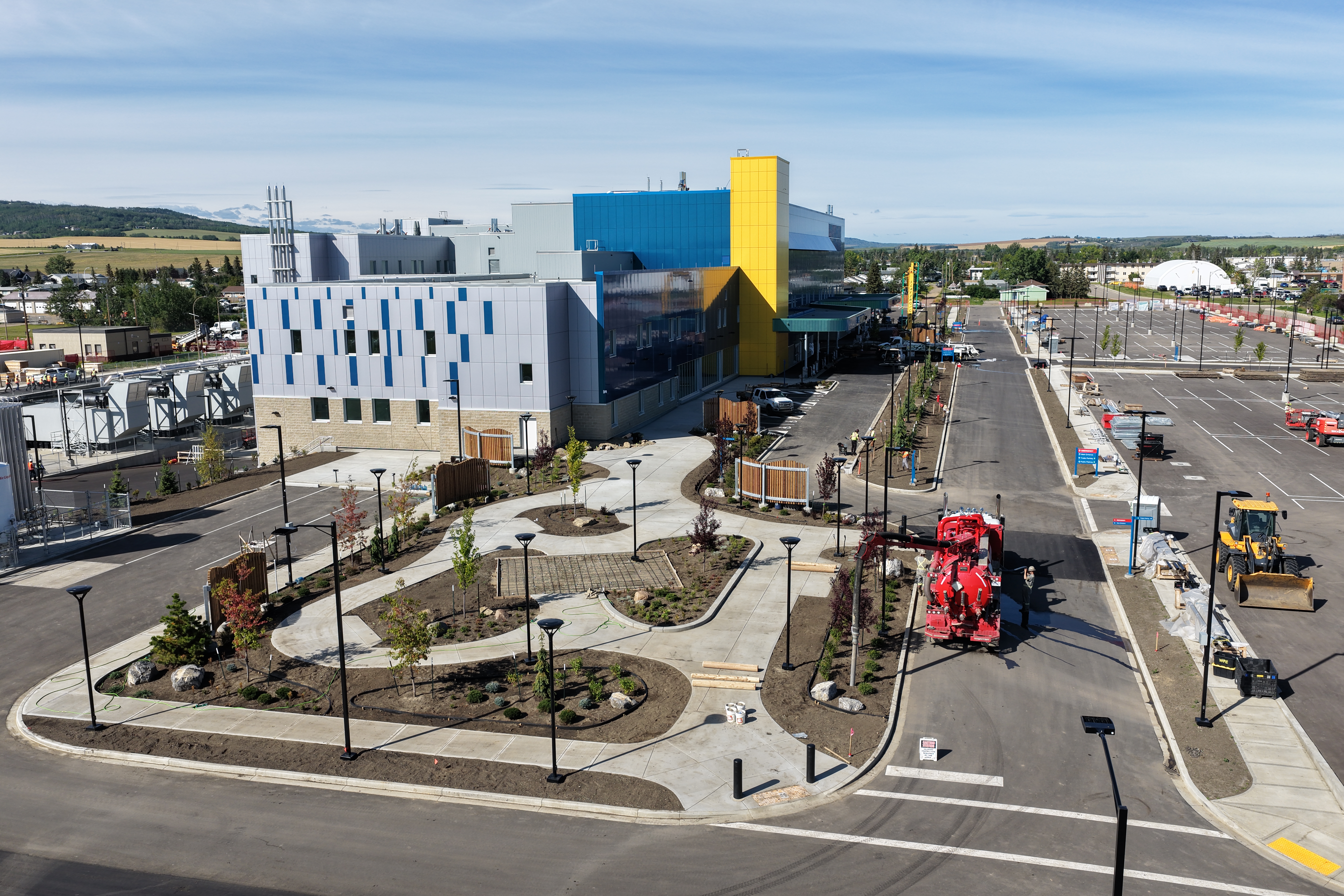
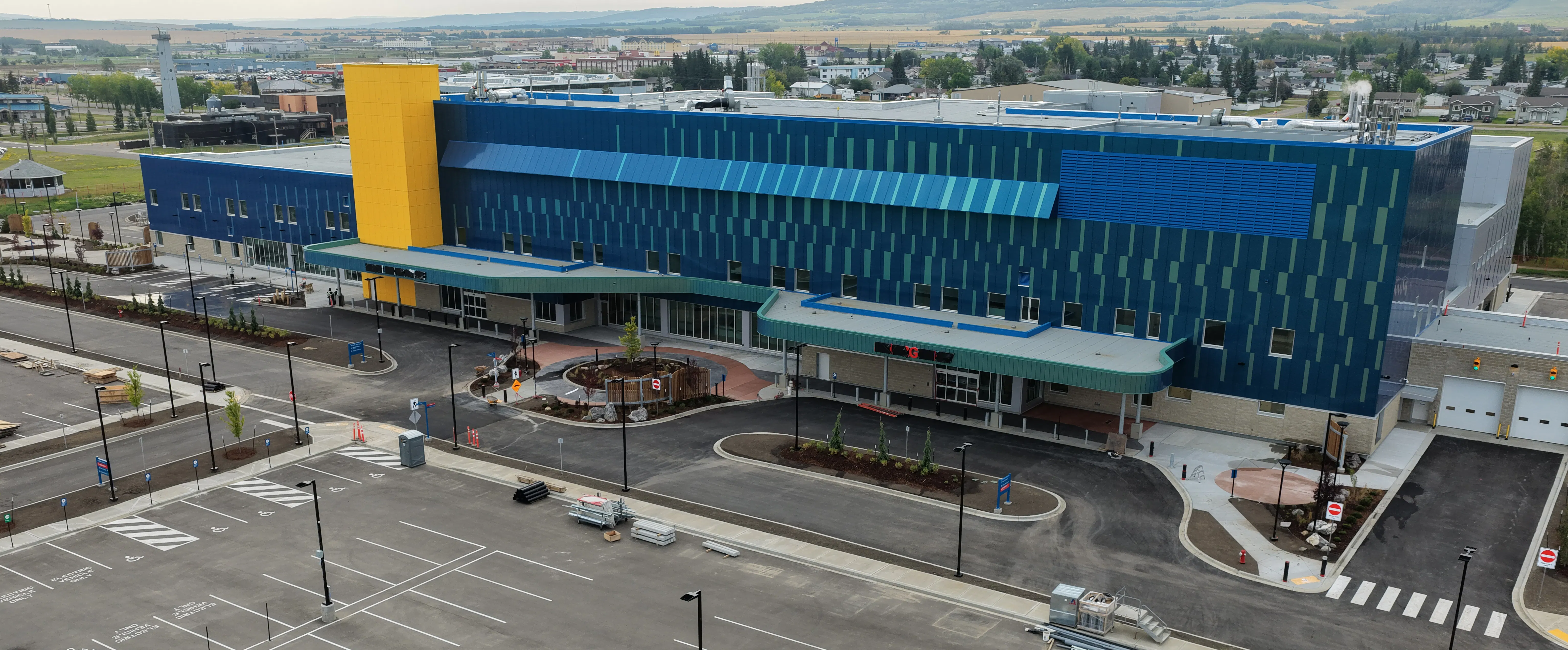
When the new Dawson Creek & District Hospital opens, you may initially notice the bright new space, modern design, and enhanced services. However, the new hospital also includes many features designed to support another important goal: environmental sustainability. The facility has been designed to reduce environmental impacts while creating a healthier place to receive and deliver care.
Creating comfortable, welcoming environments is an important part of delivering quality health care. Environmental sustainability and occupant wellbeing go hand in hand. Many of the features that help reduce environmental impacts also support healthier indoor environments and improved comfort. This commitment reflects Northern Health's efforts to reduce its environmental footprint while supporting healthy communities.
A project's sustainability is measured by its tier of Leadership in Energy and Environmental Design (LEED) certification, which is one of the most widely recognized Green Building Certifications in the world. The DCDH Replacement Project will achieve LEED Gold certification upon completion.
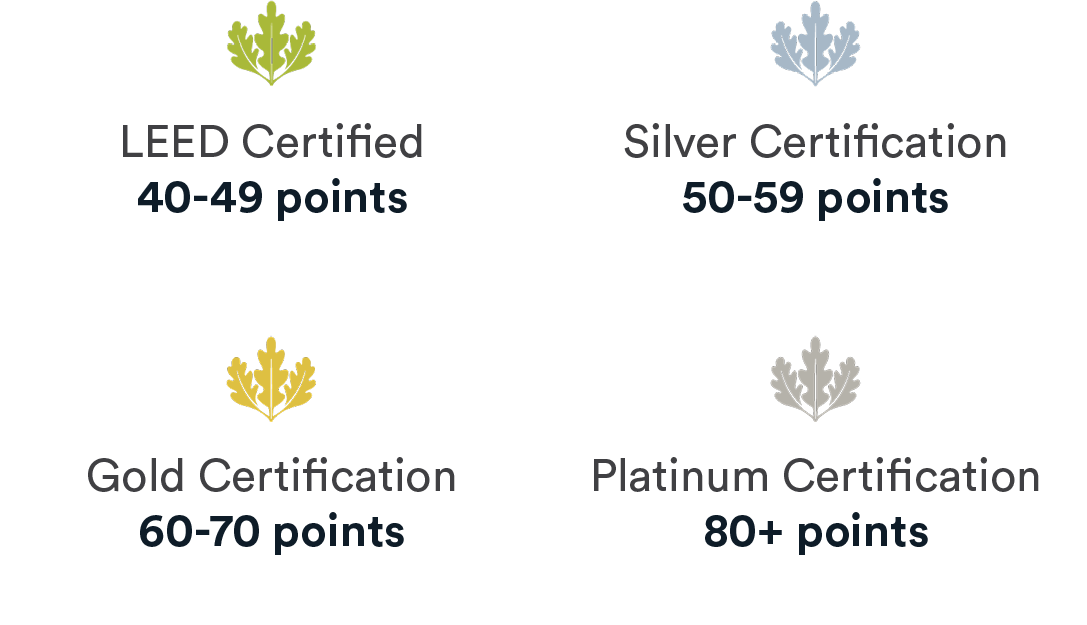 LEED provides a framework for evaluating how well a building performs across six key sustainability categories:
Location and transportation
Sustainable site development
Water savings
Energy efficiency
Material selection
Indoor air quality
The new hospital includes several new features designed to reduce our carbon footprint and support LEED sustainability standards. Some of these features are:
Energy recovery ventilators help maintain comfortable air quality while reducing the energy needed to heat and cool the building.
LED lighting throughout the facility reduces energy use and lasts longer than conventional lighting
Heat recovery chillers capture and reuse energy to help regulate the building’s temperature more efficiently.
A high-performance building envelope improves insulation, supports energy efficiency, and improves occupant comfort.
The new hospital is expected to reduce carbon emissions by 22% compared to the existing facility, despite being substantially larger and able to support expanded services for the region.
The new hospital will also provide the opportunity for staff and visitors to make choices to reduce emissions on their own. The site includes 66 bike racks as well as dedicated parking spaces for green and electric vehicles. These features provide more options for people who choose to reduce emissions in their daily commute.
Water conservation is another important component of the hospital's sustainability strategy. Water efficiency is especially important in the Peace Region, where drought conditions can occur. The new hospital uses drought-resistant landscaping and reduced irrigation to help conserve water outdoors. Inside the building, low-flow fixtures and water monitoring systems will help reduce water consumption. These measures support responsible resource use while also helping manage operating costs.
Northern Health is committed to safe and environmentally responsible construction, which is why a waste management plan was implemented. Separate collection containers were established for four different material types with a goal of 50% of the waste being diverted from the landfill. In addition, insulation, paints, and coating materials were selected to meet low-emission standards.
Low-emitting materials help improve indoor air quality by reducing exposure to airborne contaminants. Access to natural daylight, improved thermal comfort, and healthier indoor environments can contribute to a more welcoming experience and help create an environment that supports both personal wellbeing and environmental sustainability.
As construction continues, the project is performing strongly across several key sustainability categories including energy efficiency, indoor environment quality, water conservation, and responsible for material use. Together, these efforts will create a modern hospital that supports high-quality care while reducing environmental impacts for years to come. 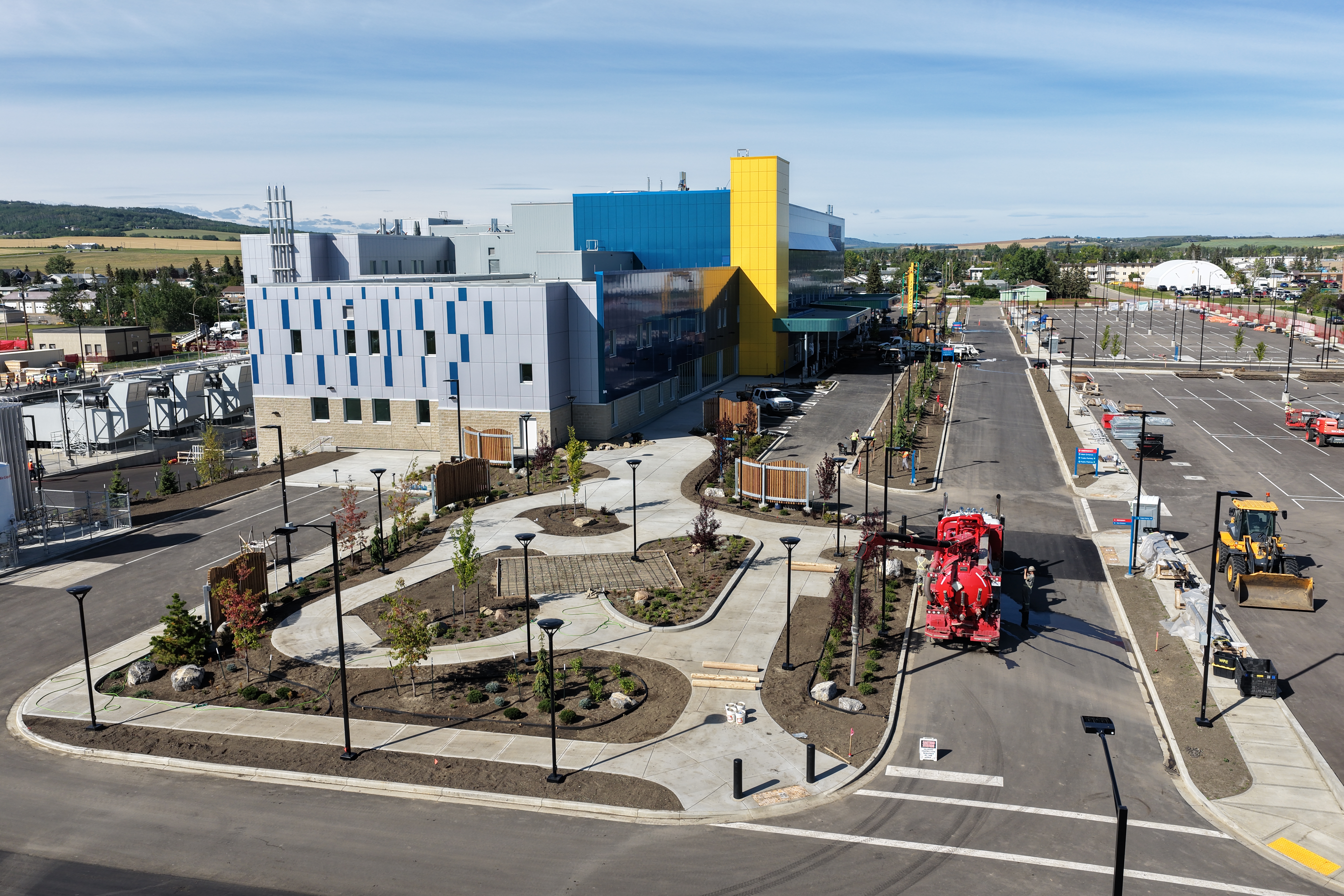

Thank you for your contribution!
Help us reach out to more people in the community
Share this with family and friends